
In short
- Circumcision means removing the foreskin, the skin covering the head of the penis.
- It is offered for a tight foreskin, repeated infections or on request, for personal or religious reasons.
- It is a short procedure, done as day surgery.
- Home care is simple and healing takes a few weeks.
In this article
Why circumcision?
The main reasons are:
- Phimosis: a foreskin too tight to pull back, after creams have failed
- Repeated infections of the head and foreskin
- Paraphimosis: a foreskin stuck behind the head, an emergency
- A request for personal, cultural or religious reasons
In children
In young boys, a foreskin that does not pull back is normal in the first years: it should not be forced. A cream is sometimes enough. Circumcision is considered if the phimosis persists, causes discomfort or infections.
The procedure
It is done under general anaesthetic in children, and under local or general anaesthetic in adults. It is short and you go home the same day. The stitches dissolve and fall out on their own.
Afterwards
The usual advice:
- Simple painkillers for the first few days
- Showering as instructed
- Loose clothing to avoid rubbing
- No sport or sex for a few weeks, as advised by the surgeon
Frequently asked questions
Is circumcision painful?
The procedure is done under anaesthetic. In the following days, discomfort is usually well controlled with simple painkillers.
When can I get back to normal?
Quiet activities resume within a few days. Sport and sex generally wait a few weeks, while it heals.
Learn more
- CareCircumcisionCircumcision removes the foreskin.
- CarePaediatric urologyDr Bakar also sees children, with their parents, for foreskin or testicle problems and urinary difficulties.
More advice
 Low testosterone: symptoms, diagnosis and treatmentFatigue, low libido, erection problems: when to suspect low testosterone, how to confirm it and when treatment helps.Read the article
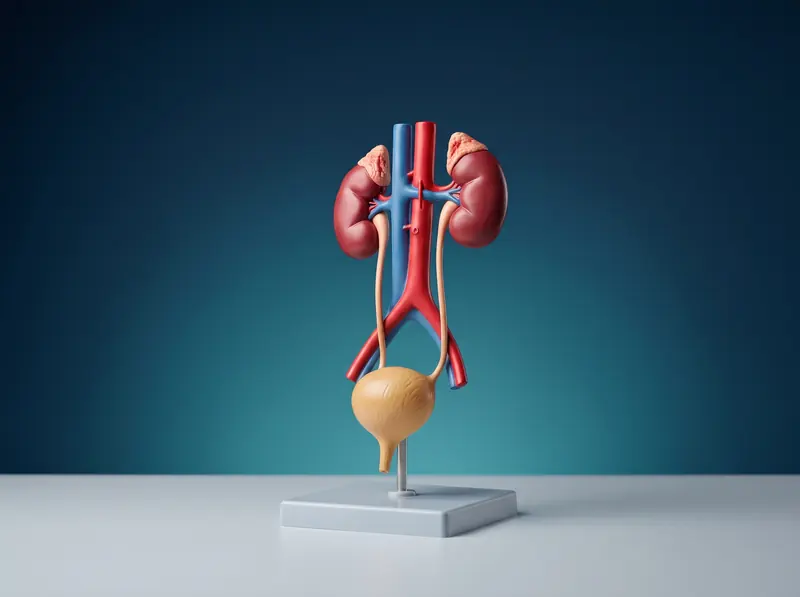 When should you see a urologist? The signs not to ignoreBlood in the urine, weak stream, pain, repeated infections, erection problems: the signs that should lead you to see a urologist in Brussels.Read the article
 Raised PSA: what happens next and should you worry?A raised PSA does not mean cancer. Possible causes, the tests to expect (repeat test, MRI, biopsy) and when to see a urologist in Brussels.Read the article
This information is general and does not replace a consultation. In an emergency, call 112.
Article published by Dr Ayhan Bakar, urologist in Brussels (INAMI 17718534450).
Reference: European Association of Urology (EAU) guidelines.