
In short
- Erectile dysfunction is common and can be treated in the vast majority of cases.
- It can be the first sign of a heart or blood vessel problem: a check-up is worthwhile.
- Treatment ranges from lifestyle changes and tablets to injections, shockwave therapy or an implant.
- Consultations are completely discreet, alone or as a couple.
In this article
Why have a check-up?
An erection depends on blood flow, nerves, hormones and state of mind. A problem that settles in can reveal diabetes, high blood pressure, high cholesterol or low testosterone.
Because the arteries of the penis are very small, they are often affected before those of the heart: the check-up is also a chance to protect your overall health.
Lifestyle comes first
Stopping smoking, regular exercise, losing weight if needed, drinking less alcohol and sleeping better all improve erections and make other treatments work better.
Tablets
Medicines that help blood flow into the penis work for many men. They need a prescription: some heart medicines, in particular nitrates, rule them out, and the doctor tailors the choice and dose to your situation.
Injections, shockwave therapy and PRP
When tablets are not enough or not suitable, other options exist:
- Penile injections: a medicine you inject yourself with a very fine needle produces an erection within minutes
- Low-intensity shockwave therapy: painless sessions in the office that aim to improve blood flow in the penis, most useful when the cause is vascular
- PRP, prepared from your own blood: a newer approach still being evaluated, offered as an add-on
Penile implants, a lasting solution
When other treatments have failed or are not suitable, an implant placed during an operation allows an erection on demand. Satisfaction among patients and their partners is high.
What about the psychological side?
Stress, performance anxiety or relationship difficulties often play a part, on their own or alongside a physical cause. Support from a sex therapist can complement treatment.
What happens at the consultation?
The andrologist asks how long the problem has lasted, how regular it is, about morning erections, your medicines and lifestyle. He examines you and often orders a blood test (sugar, cholesterol, testosterone). In some cases, an ultrasound of the penile blood vessels completes the assessment.
After prostate surgery
Erection problems are common after surgery for prostate cancer. Early treatment, with tablets, injections or a vacuum device, helps preserve the tissues and recover erections. If that is not enough, a penile implant remains an effective solution.
Frequently asked questions
Is erectile dysfunction inevitable with age?
No. It becomes more common with age, but effective treatment exists for most men, whatever their age.
Can my partner come with me?
Yes. Your partner is welcome at the consultation if you wish.
Can I buy these medicines online?
It is not advisable: products sold without a prescription can be counterfeit or dangerous, and erectile dysfunction deserves a check-up. See a doctor for a safe, suitable treatment.
Learn more
- CareErectile dysfunctionErectile dysfunction is the ongoing inability to get or keep an erection firm enough for satisfying sex.
- CareLow-intensity shockwave therapyLow-intensity shockwave therapy (LI-ESWT) is a non-invasive medical technology.
- CarePenile PRPPRP (platelet-rich plasma) is prepared from your own blood.
- CarePenile injectionsPenile injections involve injecting yourself, with a very fine needle, with a medicine that produces an erection.
- CarePenile implantA penile implant is a lasting solution for severe erectile dysfunction, or when other treatments do not work.
- CareLow testosteroneTiredness, low libido, erection problems: low testosterone may be the cause.
More advice
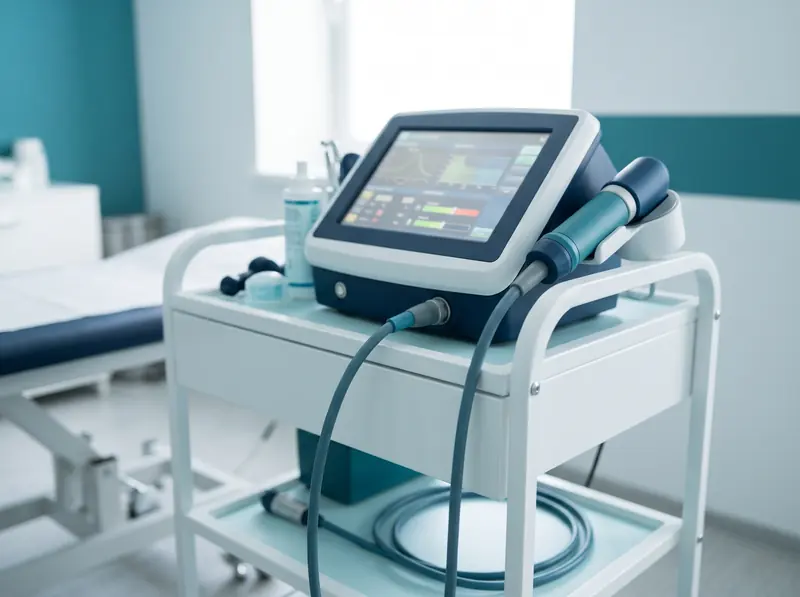 Shockwave therapy and PRP for erectile dysfunction: what to knowShockwave therapy and PRP for erectile dysfunction: how sessions work, who they suit, what results to expect. Answers from an andrologist in Brussels.Read the article
 Recurrent urinary tract infections: causes and solutionsCystitis that keeps coming back, urinary infections in men, fever: why see a urologist and how to prevent new infections.Read the article
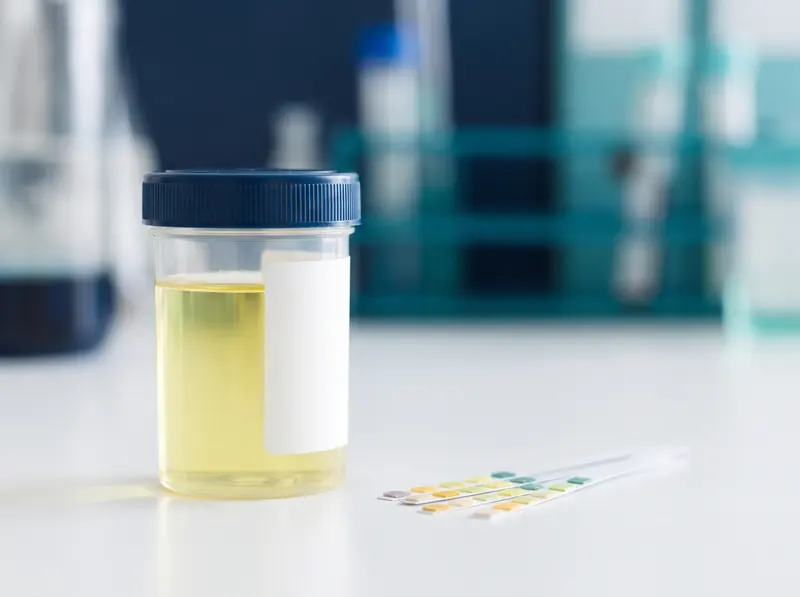 Blood in the urine: why you should always get it checkedRed or pink urine, even once: possible causes, the tests to expect and why you should see a urologist without waiting.Read the article
This information is general and does not replace a consultation. In an emergency, call 112.
Article published by Dr Ayhan Bakar, urologist in Brussels (INAMI 17718534450).
Reference: European Association of Urology (EAU) guidelines.